Transform Your Home with Ann Arbor top home remodeling contractor
Transform Your Home with Ann Arbor top home remodeling contractor
Blog Article
Home Renovation: Convert Your Space Into Your Dream Home
Home remodeling offers a straightforward approach to improving both functionality and visual appeal in living spaces. It allows homeowners to customize their spaces and possibly increase property value. However, attaining the desired results demands thorough planning and adherence to a budget. Understanding design styles and selecting the right contractors are essential steps in this process. As homeowners start this journey, they must consider what they truly wish to achieve. The path ahead holds several important factors to explore.
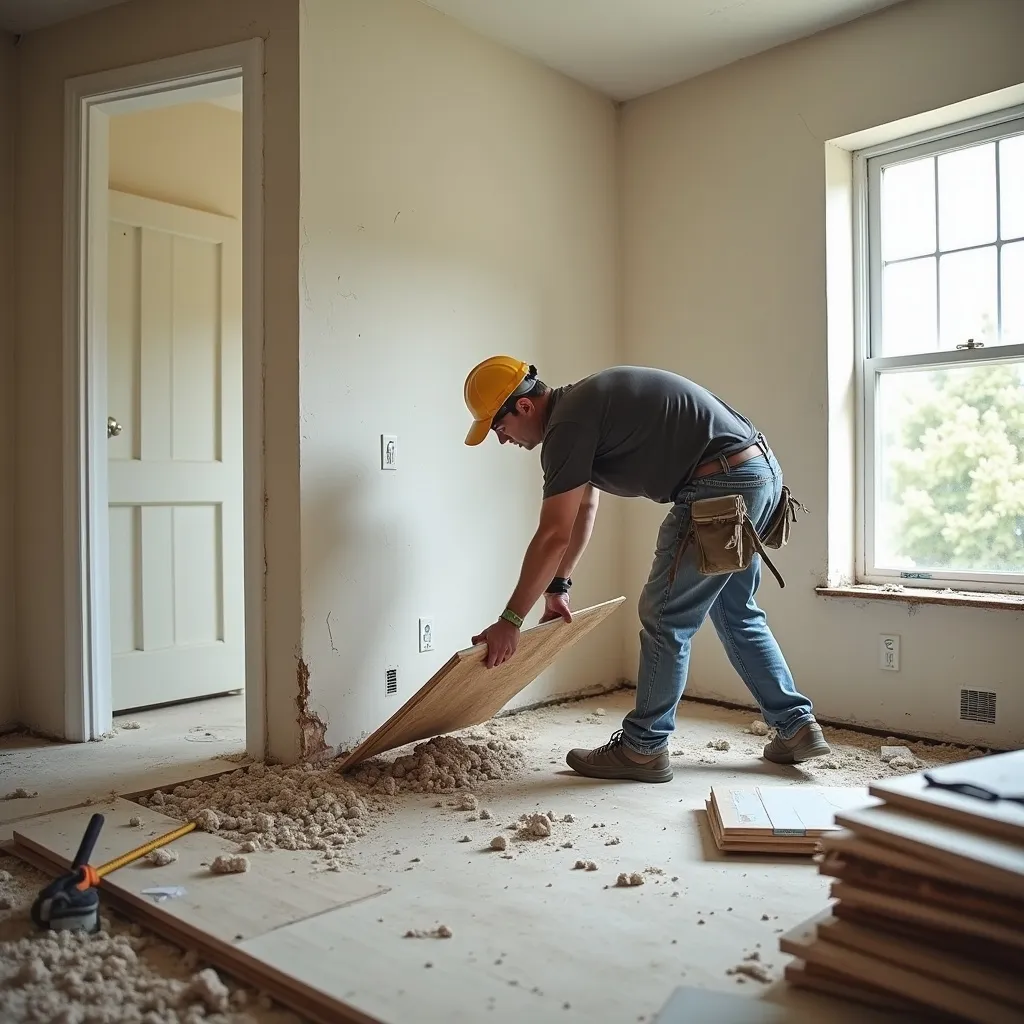
What Are Your Aspirations for Your Home Remodeling?
What targets summary does one have in mind when undertaking a home renovation project? Individuals often seek to enhance functionality, improve aesthetics, or raise property value. Some may seek a more open layout to foster social interactions, while others aim to create a tranquil retreat within their home. Specific objectives can include upgrading outdated spaces, incorporating energy-efficient elements, or extending living areas to accommodate growing families.
In addition, a homeowner might want to customize their environment to mirror their individual style and wants, creating it a genuine depiction of themselves. Protection and accessibility can similarly be notable considerations, particularly for those with elderly relatives or limitations. Ultimately, the goals of a remodeling project establish the underpinning for making decisions, directing determinations in design, materials, and complete performance. Grasping these aspirations is essential for securing a meaningful renovation that satisfies both practical needs and individual preferences.
Approaches to Create a budget for Your Home Renovation Project
Budgeting for a home renovation project demands meticulous planning and thought. It is essential to establish an overall budget, prioritize essential improvements, and allow for unexpected costs that may arise. By tackling the budgeting procedure methodically, homeowners can achieve their goals without monetary strain.
Set Your Aggregate Budget
Before undertaking a home remodeling project, it is vital to define an complete budget that reflects both monetary limitations and remodeling goals. Homeowners should begin by examining their finances to determine how much they can reasonably allocate for the project. This involves assessing savings, income, and potential financing options. It is also advisable to include unexpected expenses, typically 10-20% of the total budget, to manage unforeseen issues that may emerge during renovation. Additionally, homeowners should explore the costs connected to various materials and labor in their area, facilitating informed decisions. By formulating a clear budget, property owners can maintain focus on their remodeling goals and minimize the stress of overspending.
Prioritize Vital Improvements
With a well-defined budget in place, homeowners can focus on figuring out which renovations bring the most worth and functionality to their space. Prioritizing necessary upgrades means inspecting areas that need immediate fixing, including outdated plumbing and electrical installations, which could pose safety risks. Renovating kitchens and bathrooms usually produces high returns on investment; therefore, dedicating funds to modernize these spaces is generally a smart choice. Furthermore, boosting energy efficiency via windows, insulation, or appliances helps cut long-term costs. Homeowners should also consider lifestyle needs, such as creating open spaces for family gatherings or dedicated work areas. By choosing upgrades strategically to suit immediate priorities and long-term plans, homeowners can optimize their remodeling results without exceeding their budget.
Budget For Unanticipated Costs
Anticipating unforeseen expenses is essential for homeowners undertaking a renovation project. Financial plans can rapidly grow tight when unforeseen issues arise, such as structural problems, aging electrical systems, or hidden water damage. Professionals suggest setting aside an additional 10 to 20 percent of the overall budget to account for these contingencies. Property owners should also consider potential price fluctuations in materials and labor. Researching area contractors and securing multiple estimates can offer a better understanding of expected expenses. Additionally, keeping clear dialogue with contractors throughout the process allows you to spot and resolve issues promptly. By proactively accounting for these unexpected costs, property owners can guarantee that their renovation project stays on track, ultimately renovating their space without budget stress.
What Style Styles Work For Your Home Remodeling?
Regarding home remodeling, style preferences constitute an essential element in crafting the overall aesthetic. Homeowners can decide from a variety of options, including modern minimalist aesthetics, cozy rustic charm, and elegant traditional touches. Each style delivers its own unique character, modifying both the atmosphere and operability of the space.
Contemporary Minimalist Aesthetic Approach
Contemporary minimalist aesthetics present an invigorating approach to home remodeling, characterized by simplicity and practical purpose. This style highlights spacious areas, clean lines, and a restrained selection of colors, frequently incorporating muted shades that promote a sense of calm. Furnishings and accessories are deliberately selected, yielding a clean environment that boosts overall equilibrium. Natural materials, including lumber and stone, regularly function as an important role, lending warmth while maintaining a refined appearance. Light sources is thoughtfully planned, often utilizing large windows to enhance natural light. In a contemporary minimalist home, every element has a function, adding to a cohesive aesthetic that demonstrates the homeowner's values of distinctness and productivity. This aesthetic invites tranquility, rendering it ideal for modern everyday life.
Inviting Rustic Charm
Embracing the core of warmth and coziness, cozy rustic charm stands as a favored choice for homeowners seeking a more inviting atmosphere. This design style often incorporates natural materials, such as reclaimed wood, stone, and soft textiles, producing an organic feel. Earthy color palettes—think warm browns, soft greens, and muted reds—enhance the bond to nature.
Key ingredients comprise uncovered wooden supports, large furniture pieces, and vintage accessories, which produce a sense of nostalgia. Fireplaces operate as key features, gathering families in communion in a relaxed environment. Additionally, combining modern amenities with rustic characteristics allows functionality without diminishing charm. Overall, cozy rustic charm refashions spaces into calm havens, making it an appealing option for those intending to imbue their homes with soul and coziness.
Graceful Time-honored Flourishes
While many homeowners seek relaxation through rustic designs, others perceive beauty in the refined style of traditional styles. This design approach underscores classic elements such as exquisite trims, period furniture, and rich color palettes. Traditional spaces often present mirrored plans and formal arrangements, creating a sense of order and sophistication. Incorporating antique or vintage pieces can enhance genuineness, while luxurious fabrics like silk and velvet add depth and surface interest. Architectural features, such as tray ceilings and wainscoting, contribute to an overall sense of grandeur. Homeowners embracing this style often favor warm, inviting spaces that showcase their heritage or personal history, rendering traditional design a durable choice for those hoping to capture a sense of elegance in their remodeled homes.
Methods to Find the Appropriate Contractors for Your Home Renovation?
Determining the right specialists for home remodeling can profoundly affect the effectiveness of a endeavor. Homeowners should start by studying regional professionals and checking their qualifications, encompassing licenses and liability coverage. Perusing online reviews and seeking endorsements from companions or relatives can furnish pertinent information into a contractor's track record.
It's important to interview several prospects next to assess their interpersonal skills and professionalism. Homeowners must request detailed estimates and schedules to ensure openness. A reputable contractor should be prepared to respond to inquiries and deliver a thorough grasp of the scope of work.
Additionally, examining previous assignments or portfolios can help homeowners assess a contractor's approach and quality of work. Finally, trust and connection are crucial; a contractor's attitude and willingness to work together can greatly affect the renovation experience. By implementing these steps, homeowners can create informed decisions that correspond with their vision for their dream home.
What Crucial Recommendations Do You Need for a Successful Home Remodeling?
How can property owners guarantee a successful home remodeling venture? Initially, establishing a clear vision is crucial. Property owners should outline their objectives and priorities, ensuring all parties comprehend the desired outcome. Subsequently, setting a practical budget helps mitigate unexpected costs. It's essential to include a reserve fund for unexpected challenges.
Strong interaction with contractors is critical; homeowners must articulate their goals clearly. Consistent communications and site visits can facilitate this interaction. Furthermore, researching materials and trends will empower homeowners to make informed decisions, balancing appearance and functionality.
Ultimately, securing necessary permits guarantees adherence to local regulations, preventing future difficulties. By applying these recommendations, homeowners can manage the complexities of remodeling, ultimately converting their space into a dream residence.
Strategies to Maintaining Your Just Renovated Home?
After investing time and resources into a home renovation, homeowners must emphasize regular upkeep to protect their recently updated space. Consistent tidying is essential; using appropriate products for different surfaces will avoid wear and tear. For example, hardwood floors need specialized products that safeguard the finish, while countertops may require specific treatments to prevent stains.
Additionally, residents should conduct seasonal inspections to address any problems early. This comprises checking for leaks, maintaining HVAC systems, and ensuring outdoor drainage is functioning correctly. Regular maintenance of appliances and fixtures will also extend their lifespan.
Furthermore, it is prudent to establish a maintenance timetable, noting tasks such as repainting or renewing sealant on surfaces when required. By applying effort in these routines, homeowners can maintain the beauty and functionality of their remodeled spaces, in the long run enhancing their property’s value and comfort for the coming years.
Frequently Asked Questions
What is the Duration of a Typical Home Remodeling Project?
A conventional home remodeling undertaking may take anywhere from a few weeks to several months, subject to the breadth, sophistication, and size of the remodel. Each project differs depending on particular requirements and unpredictable difficulties.
What Permits Are Required for Home Renovation?
Usually, licenses needed for residential renovation comprise building, electrical, plumbing, and mechanical permits. Local regulations may differ, so it's crucial for homeowners to contact their municipality to ensure compliance with all required specifications and guidelines.
How Can I Minimize Disruptions During Renovation?
To curtail disruptions during remodeling, one can forge direct communication with contractors, determine set schedules, assign a separate living area, and maintain a tidy workspace. Planning ahead helps confirm a smoother remodeling process.
What Common Mistakes Should You Avoid During Renovation Work?
Frequent missteps to circumvent in home renovation encompass underestimating financial allocations, overlooking permits, skipping thorough planning, choosing the incorrect products, overlooking timelines, and failing to engage in effective communication with contractors, which can lead to costly setbacks and unsatisfactory outcomes.
What's the Best Way to Deal With Unexpected Expenses While Renovating?
To address unexpected expenses during renovation, one should create a contingency fund, communicate freely with contractors, focus on necessary improvements, and remain adaptable in choices. This approach helps control finances and eases stress throughout the process.
Report this page